Packing Up the Home Base: Why a Growing Number of Elite American Cyclists Are Planting Roots in Baku
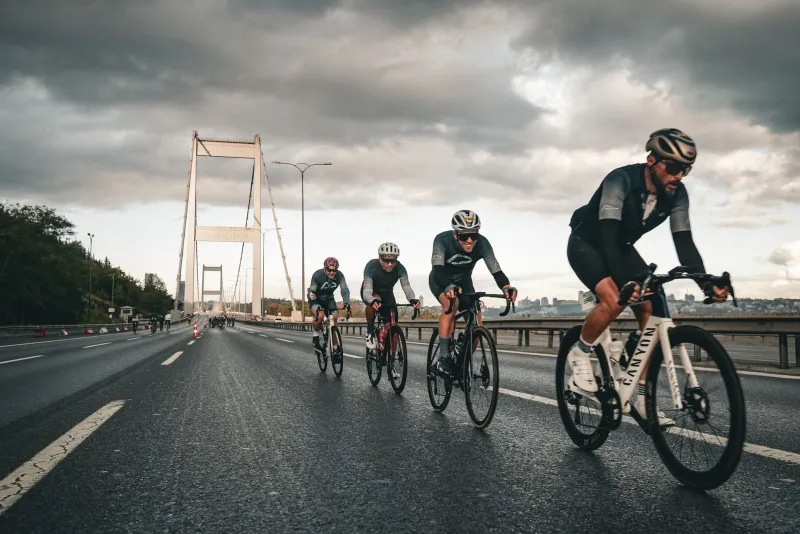
For decades, the script was familiar. A serious American cyclist with professional ambitions would eventually make the pilgrimage to Europe — Girona, Nice, Lucca — rent a small apartment, and spend a season grinding out kilometers alongside riders from a dozen other countries. The European base camp was practically a rite of passage.
That script is getting rewritten.
Over the past two years, a small but notable cluster of elite US cyclists has started pointing their one-way tickets not toward Spain or Italy, but toward Baku, Azerbaijan. And increasingly, "a few weeks for a race" has quietly turned into multi-month training residencies, renewed leases, and in some cases, full seasonal relocations. The Baku Effect — that hard-to-quantify performance and lifestyle shift that riders talk about after their first visit — is starting to look less like a vacation bonus and more like a long-term career strategy.
From Race Trip to Training Base: How the Shift Happens
Ask any of the American cyclists who've made the leap, and the story almost always follows a similar arc. They come for an event, they ride the roads, they feel something click — and then they start doing math.
"I came for ten days the first time," says Marcus T., a 31-year-old criterium specialist from Colorado who's now in his second extended stay in Baku. "By day four I was looking at apartment listings on my phone. The roads, the weather windows, the cost of living — it just made sense in a way that Girona never quite did for me financially."
That financial calculus is a recurring theme. Baku offers a cost-of-living profile that's significantly more accessible than the traditional European training hubs. A comfortable apartment in a central neighborhood, reliable broadband, a solid local café culture — the infrastructure of a modern athletic lifestyle — runs at a fraction of what a comparable setup costs in Barcelona or Boulder. For self-funded athletes and those on modest team budgets, that gap is the difference between a three-week trip and a three-month block.
The Roads Are Only Part of the Story
Obviously, no one relocates purely for rent prices. The training environment has to deliver — and riders who've committed to longer Baku stints are emphatic that it does.
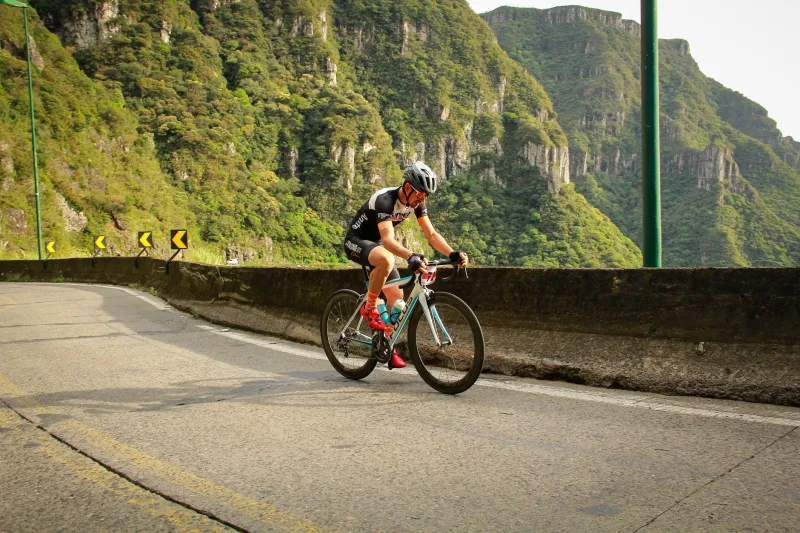
The city sits at a geographic crossroads that cyclists are only beginning to fully appreciate. You have urban riding options that are cleaner and more organized than most American cities, a coastline that generates consistent wind conditions for building aerobic resilience, and within a short drive, the Caucasus foothills that offer climbing profiles serious enough to humble anyone. It's a training menu that's genuinely hard to replicate in a single location anywhere else.
Beyond the terrain, the climate calendar is a real asset. Baku's riding windows extend well into months when most US training hubs are either frozen or brutally hot. For athletes trying to maintain peak conditioning year-round — rather than spiking for one season — that extended window changes the math on base-building and recovery cycles.
"I used to lose six weeks every winter back home," says Priya K., a 27-year-old road racer from the Pacific Northwest who completed a five-month Baku residency last year. "Here I just... kept riding. My aerobic base going into spring was the best it's ever been. My coach couldn't believe the numbers."
A Historical Pattern, Repeating Itself
This isn't actually unprecedented in cycling history — it just feels new because the destination is unfamiliar to American ears.
The migration of serious cyclists toward training hubs with better infrastructure, climate, and community is as old as the sport's professional era. Americans flocked to Europe in the 1980s and 90s because that's where the roads, the races, and the knowledge base lived. When Girona emerged as a cycling mecca in the 2000s, it was partly because a handful of early adopters discovered the value proposition and word spread through the peloton. Baku is following a recognizable pattern — just on a faster timeline, because social media and community platforms compress the word-of-mouth cycle dramatically.
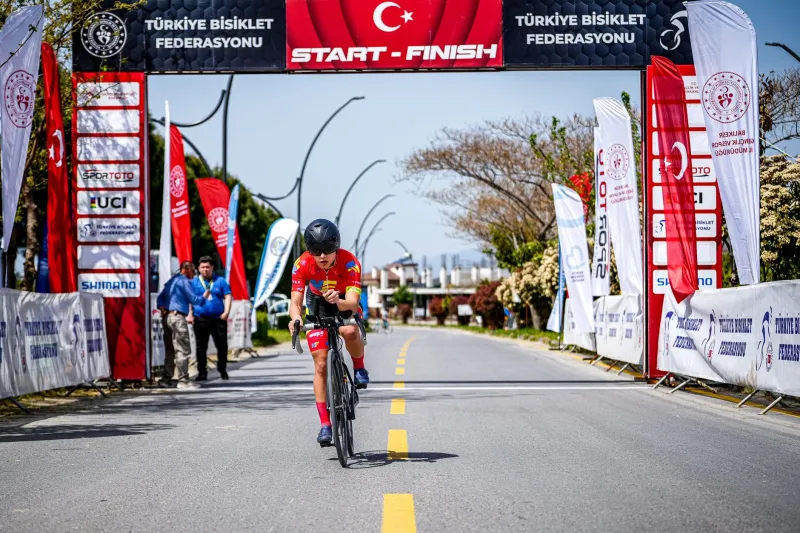
The difference this time is that Baku isn't just borrowing from an existing cycling culture. It's actively building one, with race infrastructure, local club networks, and an increasingly visible presence in the international calendar. American cyclists arriving for extended stays aren't dropping into a vacuum — they're joining something that has momentum.
The Logistics Reality Check
Fair question: how complicated is it, practically speaking, to base yourself in Baku for three to six months?
The honest answer is that it requires more planning than a European move, but less than most people assume. Visa logistics for US citizens have become more streamlined, and the city's expat infrastructure — English-language services, international banking access, shipping options for bike gear — has grown substantially. Riders who've done it consistently describe a two-to-three week adjustment period followed by a surprisingly smooth routine.
Bike maintenance is worth flagging as a real consideration. The local shop scene is growing but still developing, so most serious athletes arrive with a well-stocked toolkit and spare components. A few riders have started informal gear-sharing networks within the American training community there, which helps buffer against the occasional parts availability gap.
Flight connections from major US hubs have also improved, making the "I need to get home quickly" calculation less stressful than it used to be. That psychological barrier — the sense of being very far away from your support network — has softened meaningfully for the second wave of relocators, who can lean on the community that the first wave built.
What This Means for the Broader US Cycling Scene
When athletes of a certain caliber start making a location part of their competitive strategy, the ripple effects tend to be significant. Coaches follow. Training philosophies get imported and adapted. Younger riders pay attention to where their role models are spending their off-seasons.
Baku is still early in this cycle, but the signals are there. US riders who've done extended stints are coming back with race results that speak for themselves, and with a nuanced understanding of terrain and conditions that gives them edges in ways that are hard to fully articulate but easy to see in the data.
The Silk Road has always been a route for exchange — goods, ideas, culture moving in both directions across a vast geography. What's happening with American cyclists in Baku fits that tradition more than it might seem. They're not just showing up to race. They're showing up to learn, to build, and increasingly, to stay a while.
If the pattern holds — and the early numbers suggest it will — Baku won't just be a destination on the US cycling calendar. It'll be a home base for some of the most ambitious riders this country produces.